Inks and media
Inks and media for large format printers
Choose ink chemistry and media as one system. The wrong pairing causes poor adhesion, slow drying, transfer issues and wasted stock.
Match chemistry to the machine
Use only the ink chemistry your printer was built for. Eco-solvent, UV and sublimation inks run differently, cure differently and react differently on media. Never mix chemistries in one machine, even after a flush, because residue in lines, dampers and the printhead can cause instability and nozzle loss.
Check the job first, then match the media. Self-adhesive vinyl and banner call for eco-solvent when the graphic must flex and last outdoors. UV suits rigid boards and roll media where instant cure matters. Sublimation is for transfer paper and polyester-based output, where paper release and transfer behaviour decide final colour.
Ink and media are matched step by step:
- Match ink to printer design
- Match media coating to ink
- Check cure or drying behaviour
- Keep one chemistry per machine
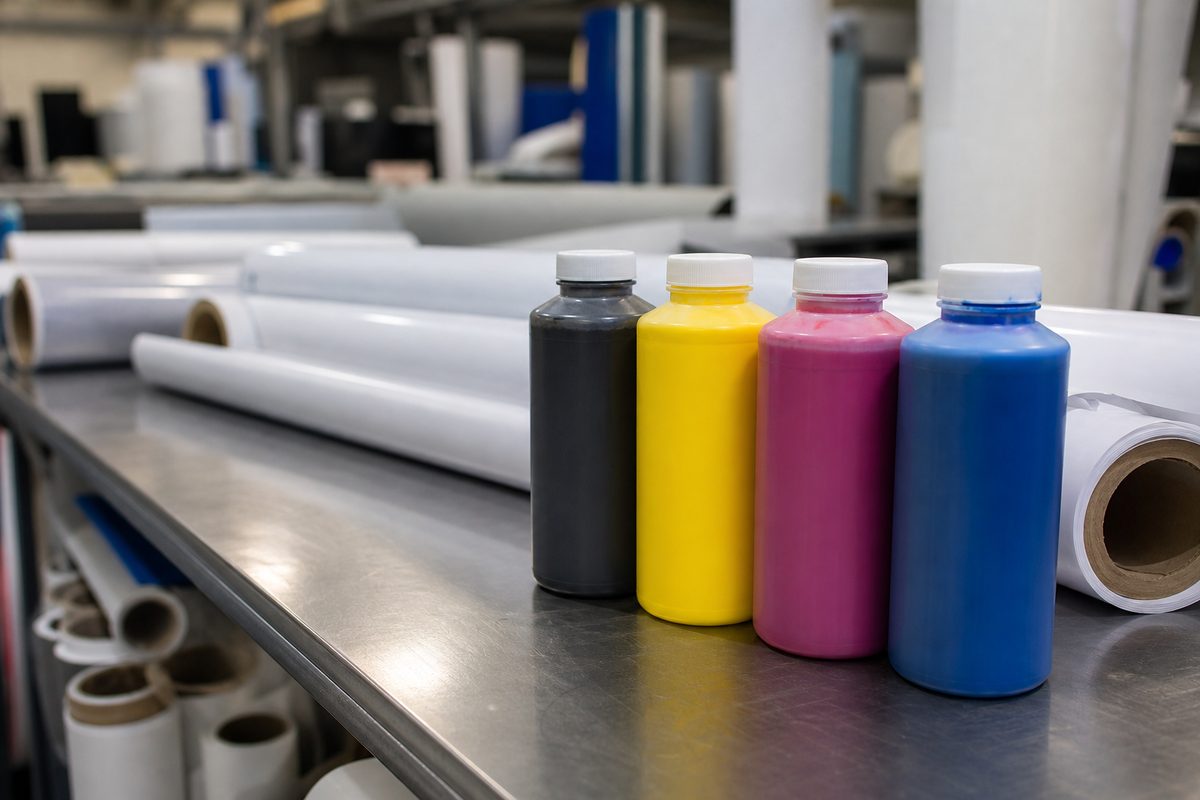
Eco-solvent, UV and sublimation inks, plus vinyl, banner and rigid media
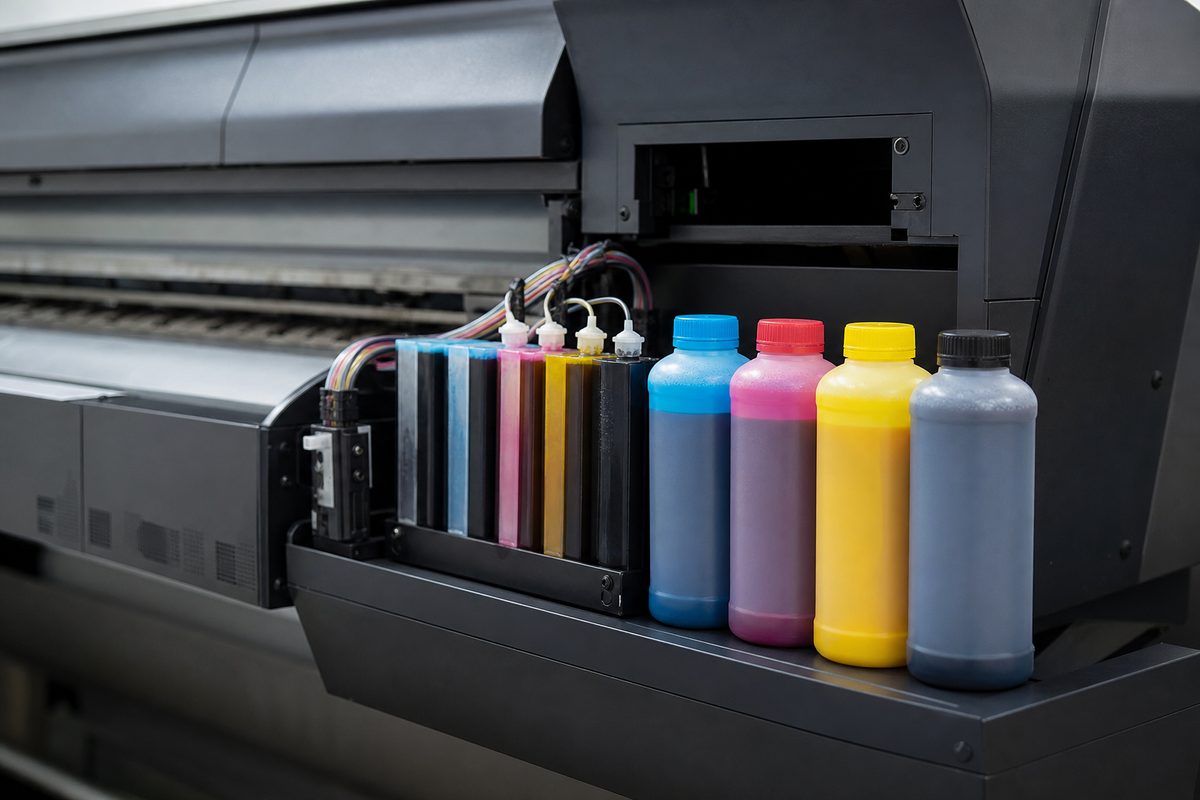
Inks and media
Eco-solvent inks
Storage, priming and drying times for eco-solvent ink sets.
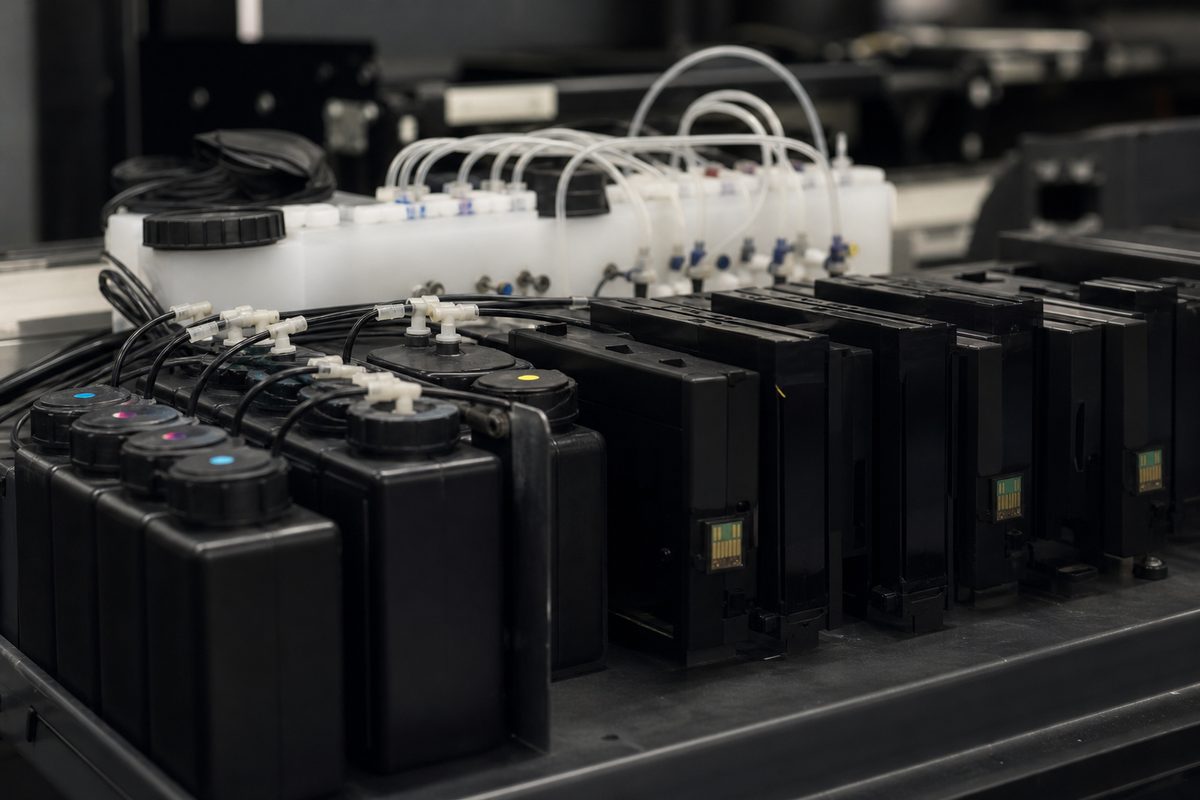
Inks and media
UV inks
Flexible and rigid UV inks, white ink handling and light safety.
Inks and media
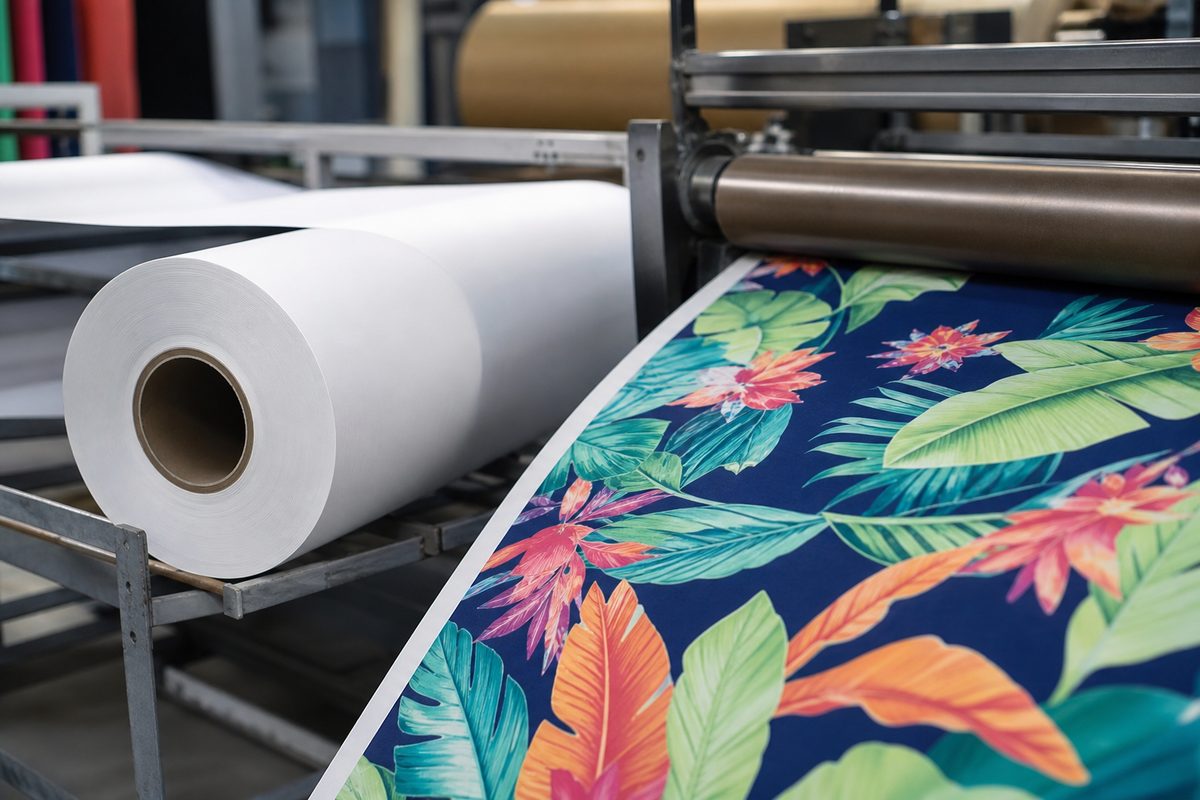
Sublimation inks and paper
Transfer paper weights and heat transfer settings for polyester.
Inks and media
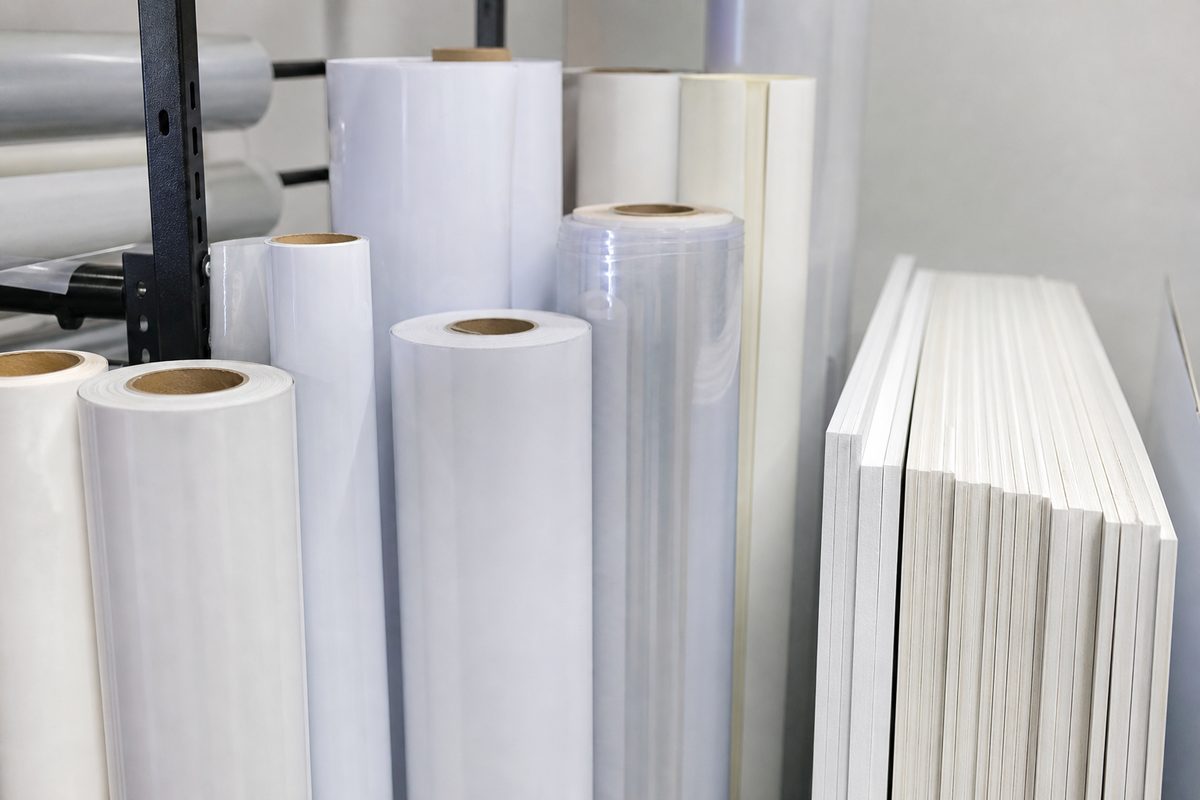
Vinyl, banner and rigid media
Self-adhesive vinyl, PVC banner, mesh and rigid boards.
Choose media that prints cleanly
Printable media needs the right surface for the ink set. On vinyl and banner, watch ink hold-out, drying time and scratch resistance before laminating or finishing. On rigid UV media, check flatness, surface energy and whether the cure leaves enough adhesion without brittleness at cut edges or folded areas.
For sublimation, paper choice affects release, cockling and transfer consistency. A paper that holds too much moisture can slow production and shift colour density. Keep media stored flat and sealed where possible, load square, and confirm the RIP profile matches the exact ink and media combination.
What our Large Format Printing customers say
Verified Google reviews
Ink and media pairing
Your printer model and the media you run are enough to check ink suitability.